Vardaan Learning Institute
Secondary Course • Science and Technology (212)
Chapter 24: Reproduction in Organisms
Asexual Reproduction • Flowering Plant Reproduction • Human Reproduction & Reproductive Health
1. The Significance of Reproduction & DNA Copying
Unlike nutrition, respiration, or excretion, reproduction is not essential to maintain the life of an individual organism. However, it is fundamentally vital for the continuity of a species generation after generation. Without reproduction, existing species would rapidly become extinct as older members age and die.
Biological Definition
Reproduction is the fundamental biological process by which living organisms give rise to new individuals (offspring) of the same species, ensuring genetic propagation and species survival over evolutionary time.
At the biochemical level, reproduction fundamentally involves DNA Replication (DNA Copying). Cells use chemical reactions to create two identical copies of their genetic blueprint prior to cell division:
- Maintenance of Body Design: The DNA in chromosomes carries genetic instructions that determine the specific body design, morphological features, and physiological systems of the species.
- Creation of Inherent Variations: No biochemical copying system is 100% accurate. Minor copying errors (mutations) inevitably arise, resulting in subtle genetic variations among offspring.
- Evolutionary Advantage: If a population of reproducing organisms were suited to a specific niche and that niche were drastically altered (e.g., global warming, water temperature spike, introduction of a deadly pathogen), identical populations might be wiped out completely. However, if some variant individuals possess heat or disease resistance, they will survive and propagate. Hence, variation is beneficial to the survival of species over time.
| Feature |
Asexual Reproduction |
Sexual Reproduction |
| Number of Parents |
Only one parent is involved. |
Typically two parents (male and female) are involved. |
| Gamete Formation |
No gamete formation or meiosis; driven by mitosis. |
Specialized haploid gametes (sperm and egg) formed via meiosis. |
| Fertilization |
Absent (no syngamy). |
Present (fusion of male and female gametes forms a diploid zygote). |
| Genetic Identity |
Offspring are genetically identical clones of the parent. |
Offspring exhibit genetic variation due to genetic recombination. |
| Evolutionary Significance |
Limited evolutionary adaptability in dynamic niches. |
Generates diverse variations, serving as the raw material for natural selection. |
2. Modes of Asexual Reproduction
Asexual reproduction is predominant among unicellular microbes, lower invertebrates, and many plant species. Offspring arise from somatic cells of a single parent.
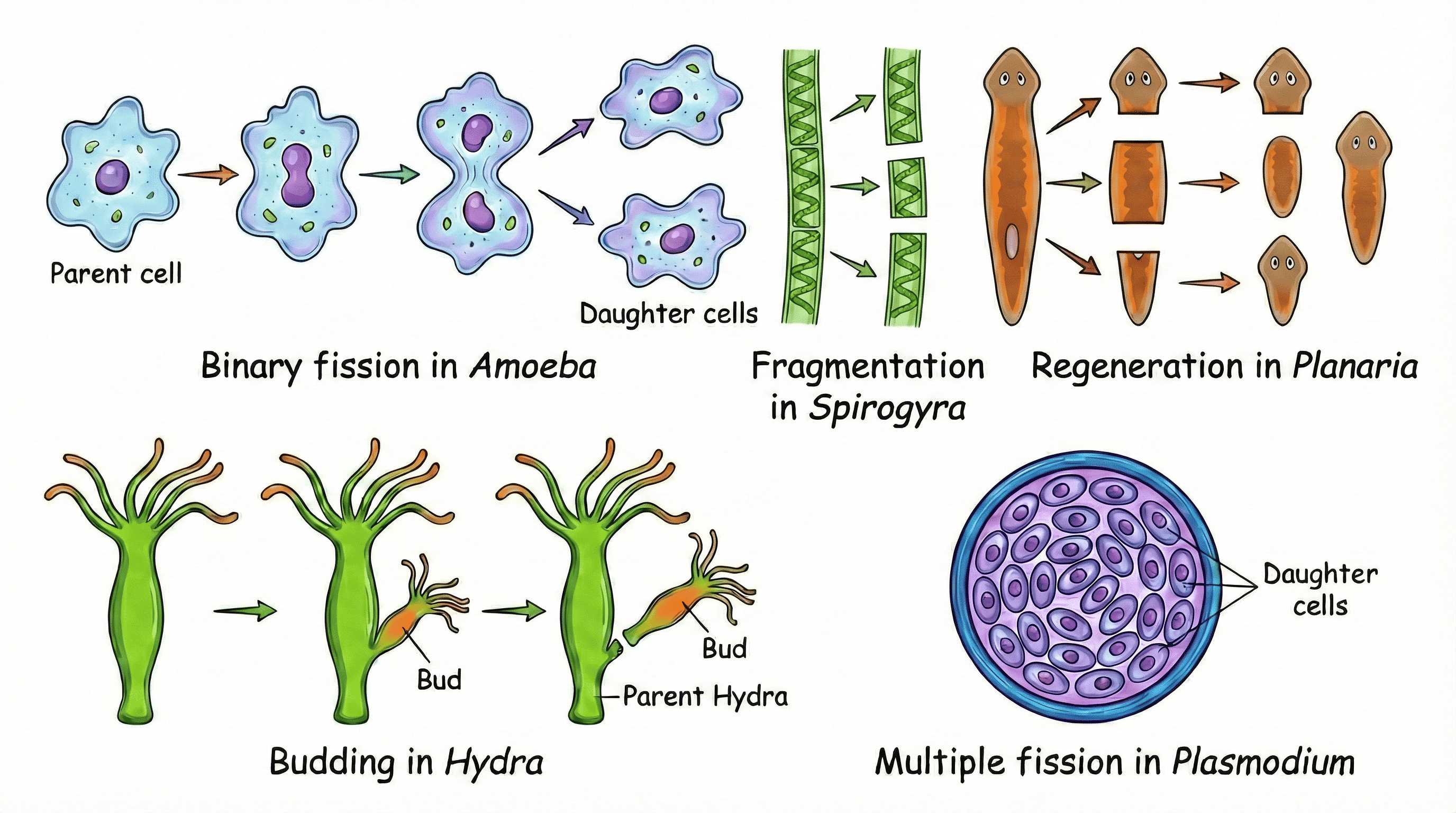
Figure 24.1: Representative Modes of Asexual Reproduction in Lower Organisms and Plants
Comparative Summary of Asexual Mechanisms
| Mode |
Mechanism & Key Features |
Representative Examples |
| Binary Fission |
Parent organism divides into two equal daughter cells. Nuclear karyokinesis is followed by cytoplasmic cytokinesis. Leishmania divides along a fixed longitudinal plane with respect to its whip-like flagellum. |
Amoeba (irregular plane), Paramecium (transverse), Leishmania (longitudinal). |
| Multiple Fission |
Parent cell forms a protective cyst wall under unfavorable conditions. The nucleus divides repeatedly by mitosis into numerous nuclei; upon cyst rupture in favorable conditions, many daughter cells are released at once. |
Plasmodium (Malarial Parasite). |
| Budding |
A small bulb-like outgrowth (bud) develops by repeated mitotic cell division at a specific site. The bud grows, develops organs, and eventually detaches from the parent body to lead an independent life. |
Hydra (multicellular bud), Yeast (unicellular fungal bud). |
| Fragmentation |
Simple multicellular organisms with basic cellular organization break into two or more fragments upon maturation. Each fragment subsequently elongates through cell division into a complete individual. |
Spirogyra (filamentous green algae). |
| Regeneration |
If the organism is accidentally cut or broken into pieces, specialized proliferative cells divide and differentiate into specialized tissues, regenerating the entire missing anatomy. (Note: Regeneration is not true reproduction since organisms do not rely on being severed to multiply). |
Planaria, Hydra. |
| Spore Formation |
Blob-like structures called sporangia borne on aerial hyphae house hundreds of microscopic reproductive spores encased in thick, protective walls that resist harsh temperatures and desiccation. When moisture and nutrients are available, the sporangium bursts and spores germinate. |
Rhizopus (Bread mould), Mucor, Ferns. |
Vegetative Propagation in Plants
Vegetative propagation is an asexual mode of reproduction where new plantlets develop directly from vegetative vegetative structures (roots, stems, or leaves) rather than from seeds.
1. Natural Vegetative Propagation:
- By Roots: Tuberous adventitious roots swollen with food reserves produce aerial shoots (e.g., Sweet potato, Dahlia).
- By Stems: Modified underground stems with buds or 'eyes' sprout into new plants (e.g., Potato tubers with eyes, Ginger rhizome, Onion bulbs, Strawberry runners).
- By Leaves: Adventitious foliar buds formed along the notched margins of leaves detach and take root in moist soil (e.g., Bryophyllum, Begonia).
2. Artificial Vegetative Methods & Tissue Culture:
- Cutting: A severed piece of stem containing vegetative nodes is planted in moist soil to develop adventitious roots (e.g., Rose, Sugarcane).
- Layering: A flexible lower branch is bent down, partially defoliated, and covered with moist soil while still attached to the parent plant until adventitious roots sprout (e.g., Jasmine).
- Grafting: The shoot portion of a desirable plant (Scion) is tied tightly onto the rooted stump of another plant (Stock), combining root vigor with superior fruit/flower traits (e.g., Mango, Apple, Rose).
- Tissue Culture (Micropropagation): Small explant tissue taken from the growing vegetative tip of a plant is grown in a sterile nutrient jelly containing plant hormones (auxin and cytokinin) to form an unorganized cell mass called a Callus. The callus is transferred to hormone media to induce roots and shoots, producing thousands of disease-free, genetically identical plantlets (e.g., Orchids, Carnations, Banana).
3. Sexual Reproduction in Flowering Plants (Angiosperms)
The flower is the specialized sexual reproductive organ of angiosperms. A complete flower consists of four concentric whorls supported on a receptacle (thalamus).
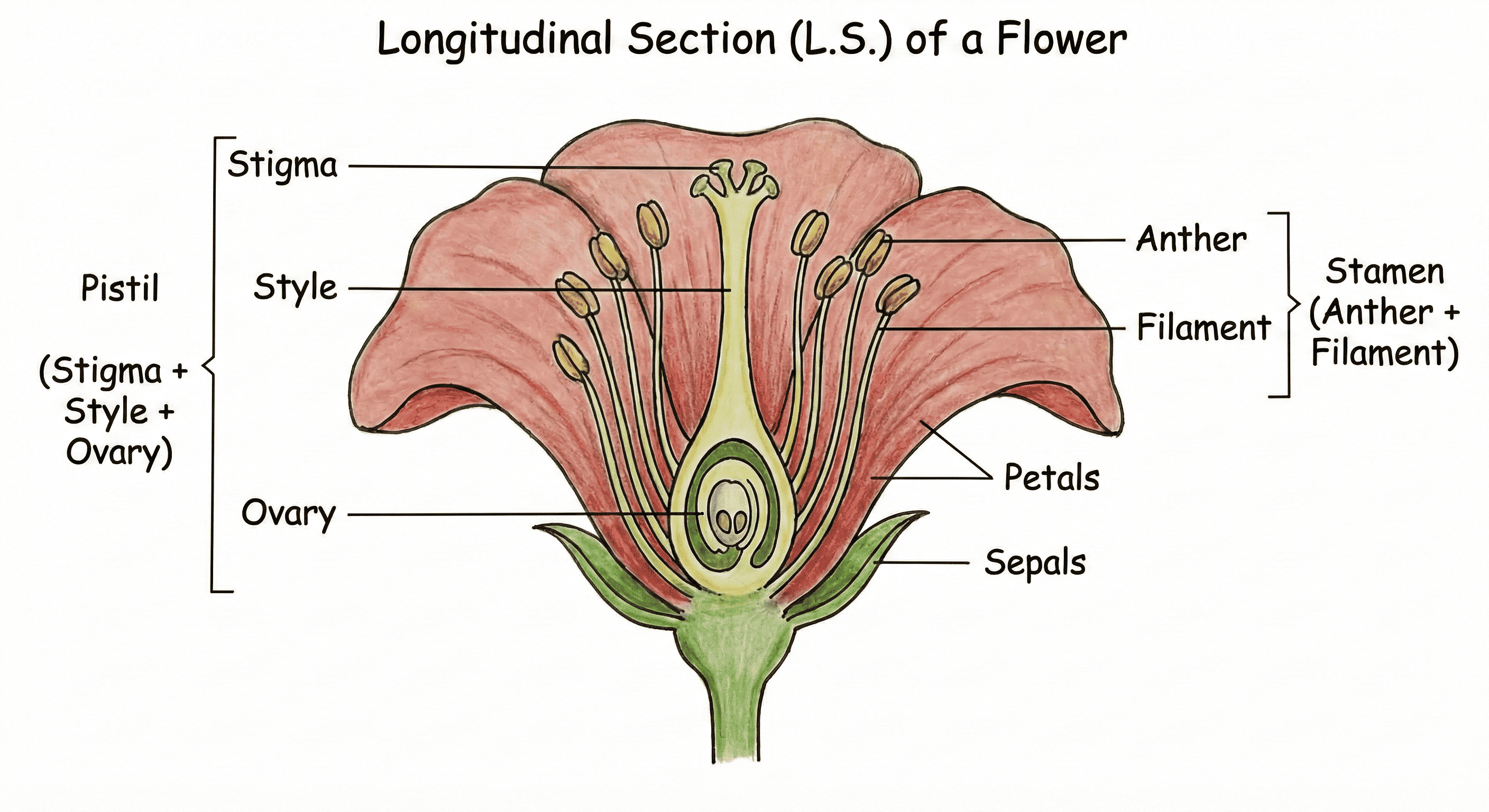
Figure 24.2: Detailed Longitudinal Section (L.S.) of a Complete Bisexual Angiospermic Flower
- Non-Essential (Accessory) Whorls:
• Calyx (Sepals): The outermost green leaf-like structures that enclose and protect the delicate inner floral bud.
• Corolla (Petals): Brightly colored, scented petals that attract insect pollinators for cross-pollination.
- Essential (Reproductive) Whorls:
• Androecium (Male Reproductive Organ): Composed of individual Stamens. Each stamen consists of a slender stalk (Filament) terminating in a bilobed Anther that produces microscopic yellow male haploid pollen grains.
• Gynoecium / Pistil / Carpel (Female Reproductive Organ): Occupies the central floral axis. Consists of a sticky terminal Stigma (receptive landing platform for pollen), a slender elongated Style, and a swollen basal Ovary enclosing one or more Ovules (each housing a female egg cell).
- Sexuality in Flowers:
• Unisexual Flowers: Bear either stamens or carpels, but not both (e.g., Papaya, Watermelon).
• Bisexual Flowers: Contain both functional stamens and carpels in the same flower (e.g., Hibiscus, Mustard).
Pollination and Double Fertilization
Pollination is the physical transfer of pollen grains from the anther of a stamen to the receptive stigma of a carpel:
- Self-Pollination: Pollen transfer occurs within the same flower or between flowers on the same plant.
- Cross-Pollination: Pollen transfer occurs from the anther of one flower to the stigma of a flower on a different plant of the same species (carried by wind, insects, birds, or water). Cross-pollination introduces genetic diversity.
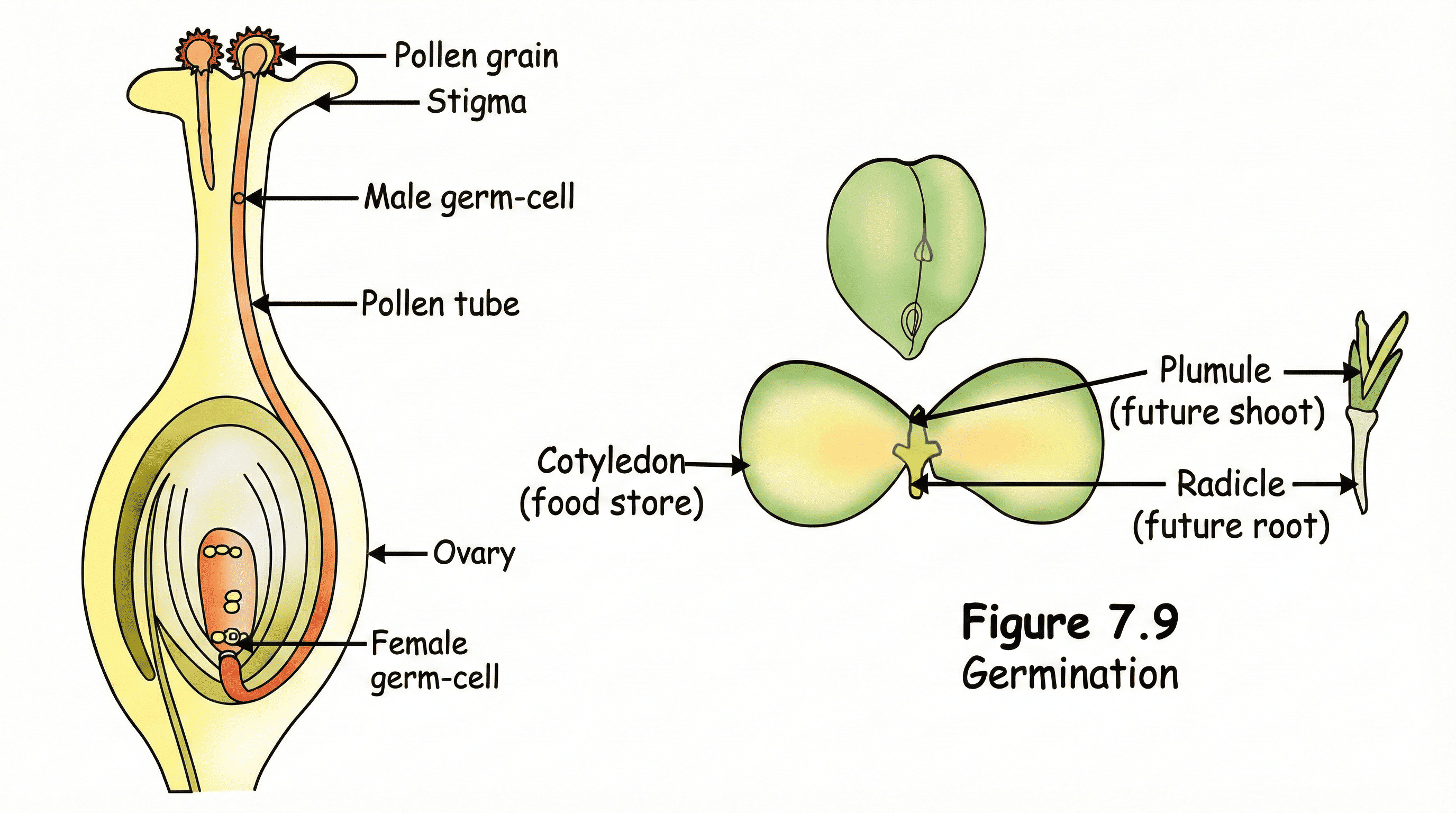
Figure 24.3: Microscopic Growth of Pollen Tube and Path of Double Fertilization into Ovule
The Mechanism of Double Fertilization
- Pollen Germination: Upon landing on a compatible sugary stigma, the pollen grain hydrates and germinates, sending down a slender pollen tube that secretes enzymes to digest its way down through the tissues of the style.
- Delivery of Male Gametes: The pollen tube carries two non-motile male gametes down to the ovary and enters the ovule through a microscopic aperture called the micropyle.
- Syngamy (True Fertilization): One male gamete fuses with the female egg cell (ovum) to form a diploid Zygote ($2n$), which will subsequently divide and differentiate into the plant Embryo.
- Triple Fusion: The second male gamete fuses with the diploid central cell containing two polar nuclei, resulting in a triploid ($3n$) Primary Endosperm Nucleus, which develops into the nutritive Endosperm that feeds the growing embryo.
- Because two distinct fusions (syngamy and triple fusion) take place within the same embryo sac, this phenomenon is termed Double Fertilization (unique to angiosperms!).
Post-Fertilization Morphological Transformations
- The diploid Zygote divides repeatedly by mitosis to form the Embryo.
- The Ovule develops a tough outer protective coat (testa) and transforms into the Seed.
- The Ovary rapidly swells, accumulates sugars, and ripens to become the Fruit.
- The sepals, petals, stamens, style, and stigma wither and fall away.
- Seed Structure: Contains one or two food-storage Cotyledons, an embryonic shoot (Plumule), and an embryonic root (Radicle).
4. Sexual Reproduction in Human Beings
Human reproduction is viviparous, gonochoric (unisexual), and involves internal fertilization. Individuals transition from juvenile childhood to reproductive adulthood during Puberty.
Puberty is the developmental phase between ages 10-14 in females and 12-16 in males during which reproductive organs mature and gametogenesis begins, stimulated by pituitary gonadotropins and gonadal sex steroids:
- Common Changes (Both Sexes): Growth of coarse hair in armpits and pubic genital region; skin becomes oilier, frequently causing acne; heightened emotional and sexual awareness.
- Secondary Sexual Traits in Males (Triggered by Testosterone): Deepening of voice due to larynx enlargement (Adam's Apple); growth of facial, chest, and body hair; widening of shoulders and muscular development; enlargement of penis and scrotum; occurrence of nocturnal emissions.
- Secondary Sexual Traits in Females (Triggered by Estrogen & Progesterone): Development and enlargement of mammary glands (breasts) with darkening of nipple areolas; widening of pelvic girdle and hip fat deposition; onset of the ovarian and uterine Menstrual Cycle (Menarche).
A. Male Reproductive System
The male reproductive tract is anatomically organized for the continuous production, hormonal maintenance, and external delivery of male haploid gametes (spermatozoa).
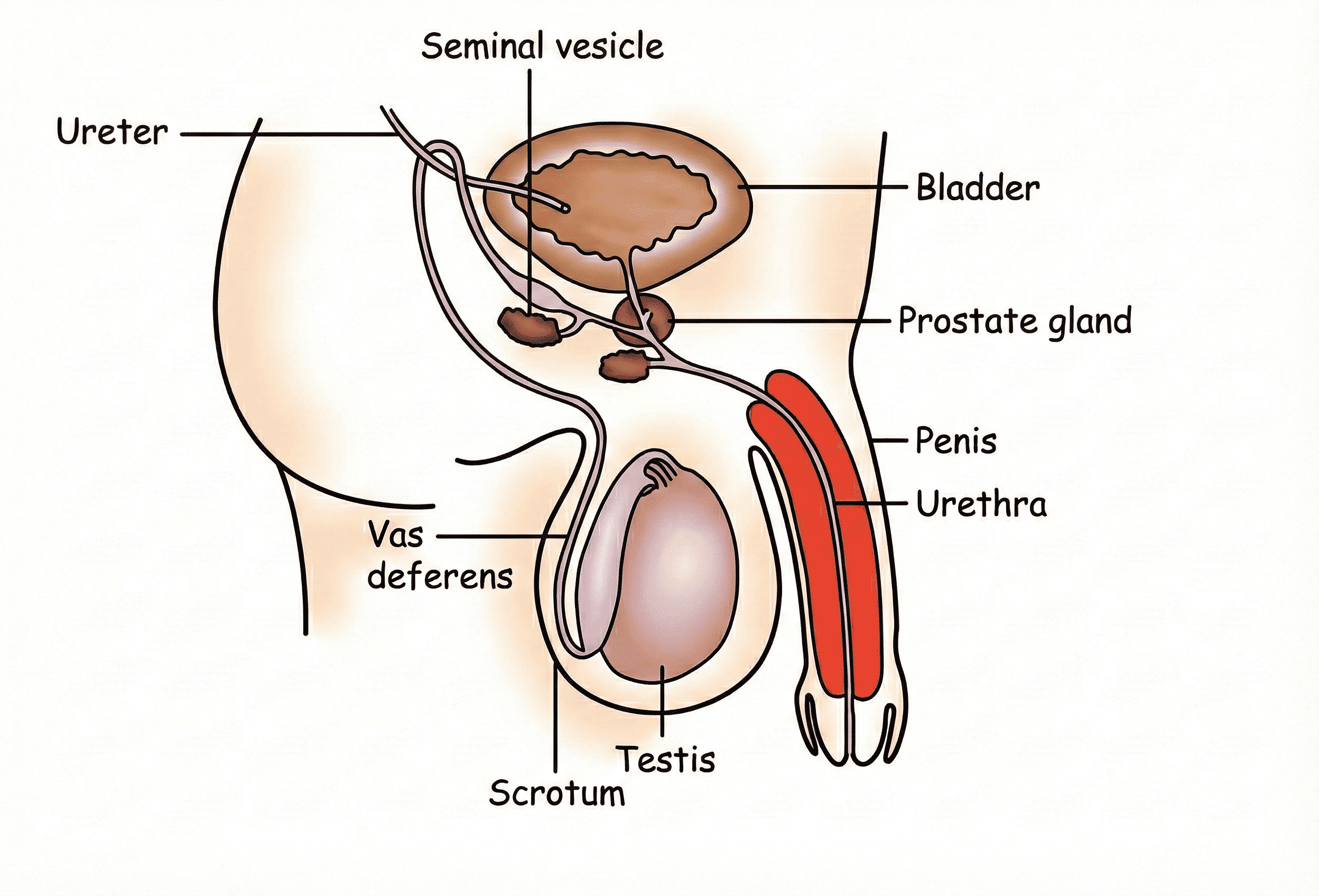
Figure 24.4: Anatomical Organization of the Human Male Reproductive Tract
Key Organs of the Male Reproductive System
- Testes & Scrotum: A pair of oval testes reside outside the abdominal cavity in a pigmented pouch called the Scrotum. This extra-abdominal position is biologically crucial because human spermatogenesis requires an optimal temperature $2 - 2.5^\circ\mathrm{C}$ lower than the normal core body temperature ($37^\circ\mathrm{C}$). Testes perform dual functions: production of sperms and secretion of the steroid hormone Testosterone (by Leydig cells).
- Epididymis: A highly convoluted narrow tube resting on the posterior surface of each testis that stores immature sperm until they acquire functional motility.
- Vas Deferens: A muscular cord-like tube that conducts mature sperm upward from the epididymis, loops over the urinary bladder, and joins the duct from the seminal vesicle to form the ejaculatory duct.
- Accessory Glands:
• Seminal Vesicles: Secrete an alkaline, fructose-rich viscous fluid that supplies metabolic energy to motile sperm.
• Prostate Gland: Secretes a milky, alkaline fluid that neutralizes vaginal acidity and activates sperm motility.
• The combined mixture of sperm ($10\%$) and glandular secretions ($90\%$) is called Semen.
- Urethra & Penis: The male urethra forms a common conduit for both urine expulsion and semen ejaculation (never simultaneously). The penis is a vascular cylindrical copulatory organ that becomes erect to deposit semen into the female vaginal tract.
B. Female Reproductive System
The female reproductive tract is adapted not only for producing ova and receiving sperm, but also for providing the protected, nutrient-rich internal environment necessary for 9 months of fetal gestation.
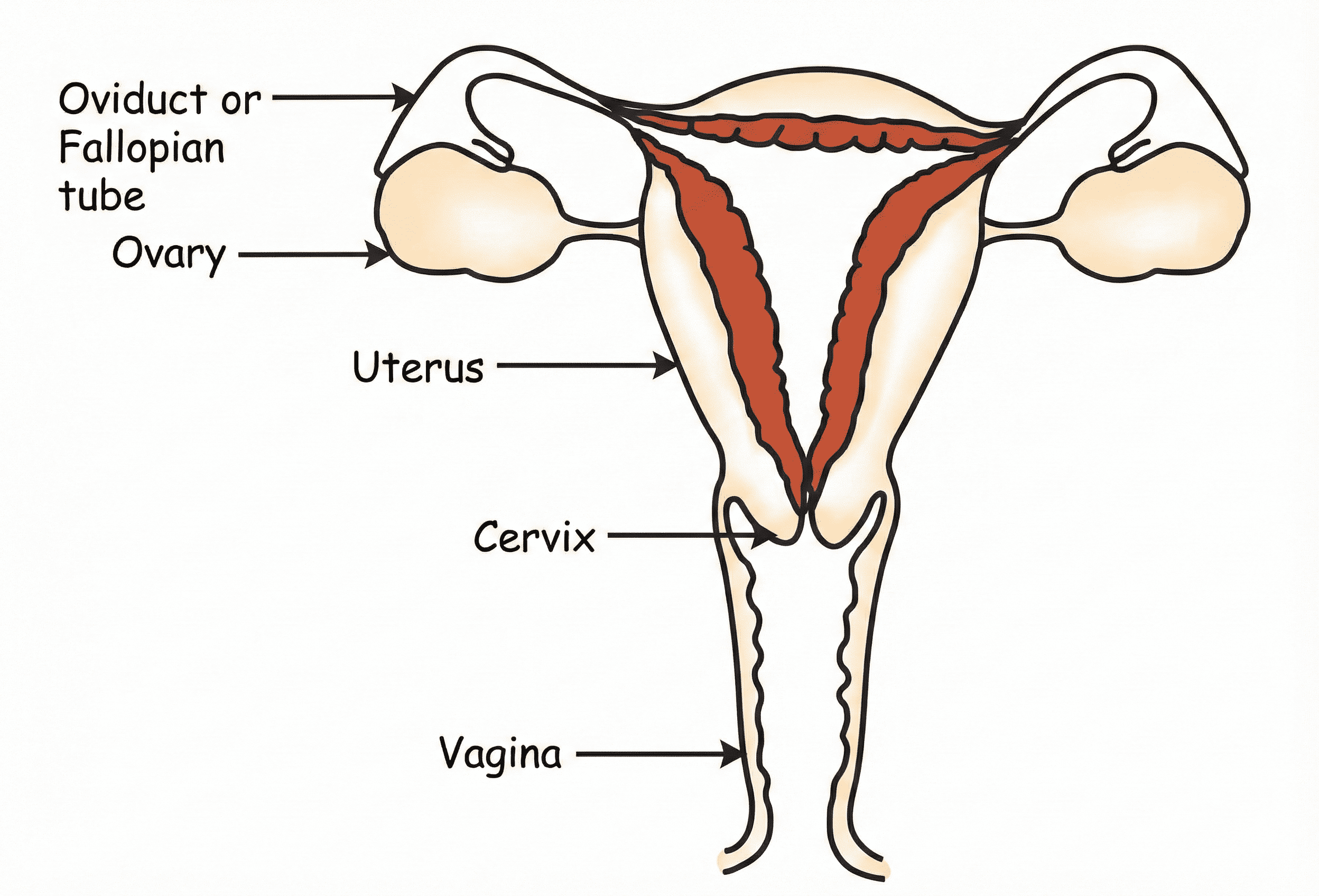
Figure 24.5: Frontal Sectional View of the Human Female Reproductive System
Key Organs of the Female Reproductive System
- Ovaries: A pair of almond-shaped gonads positioned in the lower pelvic abdominal cavity. They produce female haploid gametes (ova/eggs) and synthesize hormones (Estrogen and Progesterone). At birth, ovaries contain thousands of immature primary follicles; upon puberty, one mature ovum is released alternately every 28 days (**Ovulation**).
- Fallopian Tubes (Oviducts): Funnel-shaped ciliated tubes extending from near each ovary to the uterus. The fimbriated funnel sweeps the released ovum into the tube. The ampulla of the fallopian tube is the natural site of Fertilization!
- Uterus (Womb): A hollow, thick-walled, inverted pear-shaped muscular organ. Its inner vascular mucosal lining (Endometrium) undergoes monthly cyclicity to support embryo implantation and placenta formation.
- Cervix & Vagina: The narrow muscular neck of the uterus is the cervix, which opens into the elastic muscular canal termed the vagina (birth canal and copulatory receptacle).
C. Fertilization, Pregnancy & Menstruation
1. Fertilization and Embryonic Development:
During copulation, millions of motile sperm are ejaculated into the vagina. They swim through the cervix and uterus into the fallopian tubes. If an ovum is present, a single sperm penetrates the ovum's corona radiata and zona pellucida, resulting in Fertilization (syngamy) to form a single-celled diploid Zygote ($2n$).
The zygote undergoes rapid cleavage divisions into a blastocyst as it travels down into the uterus, where it embeds itself securely into the vascular endometrium—a process known as Implantation.
Following implantation, a specialized disc-shaped temporary endocrine organ called the Placenta develops between the uterine wall and the developing embryo:
- Structural Anatomy: The placenta contains microscopic finger-like chorionic villi on the embryo side surrounded by large maternal blood pools on the mother's side, creating a massive surface area for metabolic transfer.
- Physiological Functions:
• Delivers glucose, amino acids, vitamins, antibodies, and $\mathrm{O_2}$ from maternal blood to the fetal bloodstream.
• Eliminates fetal metabolic wastes ($\mathrm{CO_2}$, urea, and creatinine) into the maternal blood for renal excretion.
• Secretes hormones (hCG, progesterone) to sustain pregnancy.
- Gestation & Parturition: The period of development from fertilization to birth is the Gestation Period (approximately 280 days or 9 months in humans). Birth occurs through rhythmic contractions of the uterine myometrium, expelled via the cervix and vagina (**Parturition**).
2. What Happens When the Egg is NOT Fertilized? (The Menstrual Cycle)
Every month, the female body prepares for potential pregnancy: an ovary releases one mature ovum, while the uterine endometrium proliferates, becoming richly supplied with blood capillaries to nourish an incoming embryo.
If fertilization fails to occur:
- The unfertilized ovum survives for roughly 24 hours and then degenerates.
- Progesterone levels plunge, causing the thickened vascular endometrium to break down.
- The sloughed-off tissue, unfertilized ovum, mucus, and blood are expelled through the vagina. This physiological bleeding phase is termed Menstruation (lasting 3 to 5 days, recurring roughly every 28 days).
5. Reproductive Health and Contraceptive Methods
Reproductive health refers to total physical, emotional, mental, and social well-being in all matters relating to the reproductive system and its processes.
Sexually Transmitted Diseases (STDs)
Infections transmitted from an infected partner through sexual contact:
- Bacterial STDs: Gonorrhoea (caused by Neisseria gonorrhoeae) and Syphilis (caused by Treponema pallidum). Can be cured with targeted antibiotics if diagnosed early.
- Viral STDs: Genital Warts (caused by Human Papillomavirus - HPV) and HIV-AIDS (Human Immunodeficiency Virus, which attacks CD4+ T-lymphocytes, destroying systemic immunity). Viral STDs have no definitive cure.
- Prevention: Using latex barrier contraceptives (condoms) during intercourse is the only method that provides substantial protection against transmitting or acquiring STDs.
Modern Contraceptive Methods (Family Planning)
Contraception comprises techniques and devices designed to prevent unwanted conception, manage family size, and space births:
| Category |
Mechanism of Action |
Methods & Clinical Notes |
| Mechanical Barrier Methods |
Create a physical barrier to prevent sperm from entering the female genital tract and reaching the egg. |
Condoms (for males and females), Diaphragms, Cervical caps. Condoms simultaneously protect against STDs! |
| Hormonal / Chemical Methods |
Oral contraceptive pills contain synthetic estrogen and progesterone derivatives that inhibit ovulation by suppressing pituitary FSH and LH. |
Oral pills (e.g., Saheli, Combined Oral Contraceptive Pills). Highly effective, but may cause systemic hormonal side effects (nausea, cycle irregularities). |
| Intrauterine Devices (IUDs) |
Plastic or copper devices inserted into the uterine cavity by healthcare professionals. They release copper ions that suppress sperm motility and alter the endometrial lining to prevent implantation. |
Copper-T, Multiload-375, Hormonal IUDs (Mirena). Highly effective, long-acting, reversible. |
| Surgical Methods (Permanent) |
Surgical ligation and severance of gamete-conducting tracts to ensure permanent sterilization. |
• Vasectomy (Males): A small section of each vas deferens is cut and tied. Sperm cannot enter semen.
• Tubectomy (Females): A small section of each fallopian tube is cut and tied. Eggs cannot meet sperm.
|
6. Comprehensive Review Questions & Model Answers
Question 1: Why is DNA copying an essential part of the process of reproduction? What is the evolutionary consequence of inaccuracies in this process?
Model Answer:
- DNA replication is essential because the DNA in the cell nucleus contains master genetic instructions for building cellular machinery and determining species body architecture. To produce new individuals of the same species, parental DNA must be duplicated so each daughter cell inherits an intact genetic blueprint.
- Because DNA replication involves biochemical reactions that are not 100% precise, minor copying inaccuracies generate subtle genetic variations. While extreme alterations may be lethal, mild variations enable populations to withstand environmental stresses (e.g., temperature spikes, drought, chemical pollutants). Variations thus provide the raw material upon which natural selection acts to drive evolution.
Question 2: Explain why testes in human males are situated in the scrotum outside the abdominal cavity. What dual roles do testes perform?
Model Answer:
- The human testes are lodged outside the abdominal cavity in the scrotum because the production of viable spermatozoa (spermatogenesis) requires an ambient temperature approximately $2 - 2.5^\circ\mathrm{C}$ lower than normal core body temperature ($37^\circ\mathrm{C}$). Internal abdominal heat impairs spermatogenesis and reduces sperm viability.
- Dual Functions:
1. Gametogenic: Production of male haploid gametes (sperms) in seminiferous tubules.
2. Endocrine: Synthesis and secretion of the steroid hormone Testosterone, which drives male secondary sexual characteristics and maintains libido and accessory gland function.
Question 3: Describe the phenomenon of Double Fertilization in flowering plants. What are the specific fates of the ovary and ovule following fertilization?
Model Answer:
- Double Fertilization: The pollen tube releases two haploid male gametes into the embryo sac:
• Syngamy: One male gamete ($n$) fuses with the female egg cell ($n$) to form a diploid Zygote ($2n$), which develops into the embryo.
• Triple Fusion: The second male gamete ($n$) fuses with the central diploid secondary nucleus ($2n$) to form a triploid Primary Endosperm Nucleus ($3n$), which develops into nutritive endosperm tissue.
- Post-Fertilization Fates:
• The Ovule develops a protective seed coat and matures into the Seed.
• The Ovary enlarges, accumulates nutrients and sugars, and ripens into the Fruit.
Question 4: What is the placenta? Outline its structural organization and describe three major physiological functions it performs during pregnancy.
Model Answer:
- Definition & Structure: The placenta is a temporary disc-shaped vascular organ embedded in the uterine wall that connects the developing fetus to the mother. It features chorionic villi containing fetal blood capillaries protruding into maternal blood sinuses.
- Three Major Functions:
1. Nutrition & Gas Exchange: Diffuses glucose, amino acids, minerals, and oxygen from maternal blood into the umbilical vein.
2. Excretion: Transfers fetal nitrogenous wastes (urea) and carbon dioxide into the maternal bloodstream for maternal disposal.
3. Endocrine Support: Synthesizes critical pregnancy hormones (human Chorionic Gonadotropin - hCG, estrogen, progesterone) that prevent uterine shedding and sustain gestation.
Question 5: Differentiate between Vasectomy and Tubectomy. Why are condoms considered superior to other contraceptive options in public health?
Model Answer:
- Vasectomy: A male surgical sterilization procedure where a small segment of each vas deferens is excised and ligated, preventing sperms from entering the ejaculate.
- Tubectomy: A female surgical sterilization procedure where a small section of each fallopian tube (oviduct) is cut and tied, preventing ova from encountering sperms.
- Why Condoms are Superior in Public Health: While hormonal pills, IUDs, and surgical sterilization successfully prevent conception, they offer zero defense against microbial pathogens. Condoms act as mechanical barriers that prevent the exchange of genital fluids, making them the only contraceptive method that simultaneously prevents unintended pregnancies AND blocks the transmission of Sexually Transmitted Diseases (STDs), including Syphilis, Gonorrhoea, and HIV-AIDS.

 VARDAAN COMET